

Faculty Spotlight: Camelia Hostinar
Associate Professor in the Department of Psychology and the Center for Mind and Brain
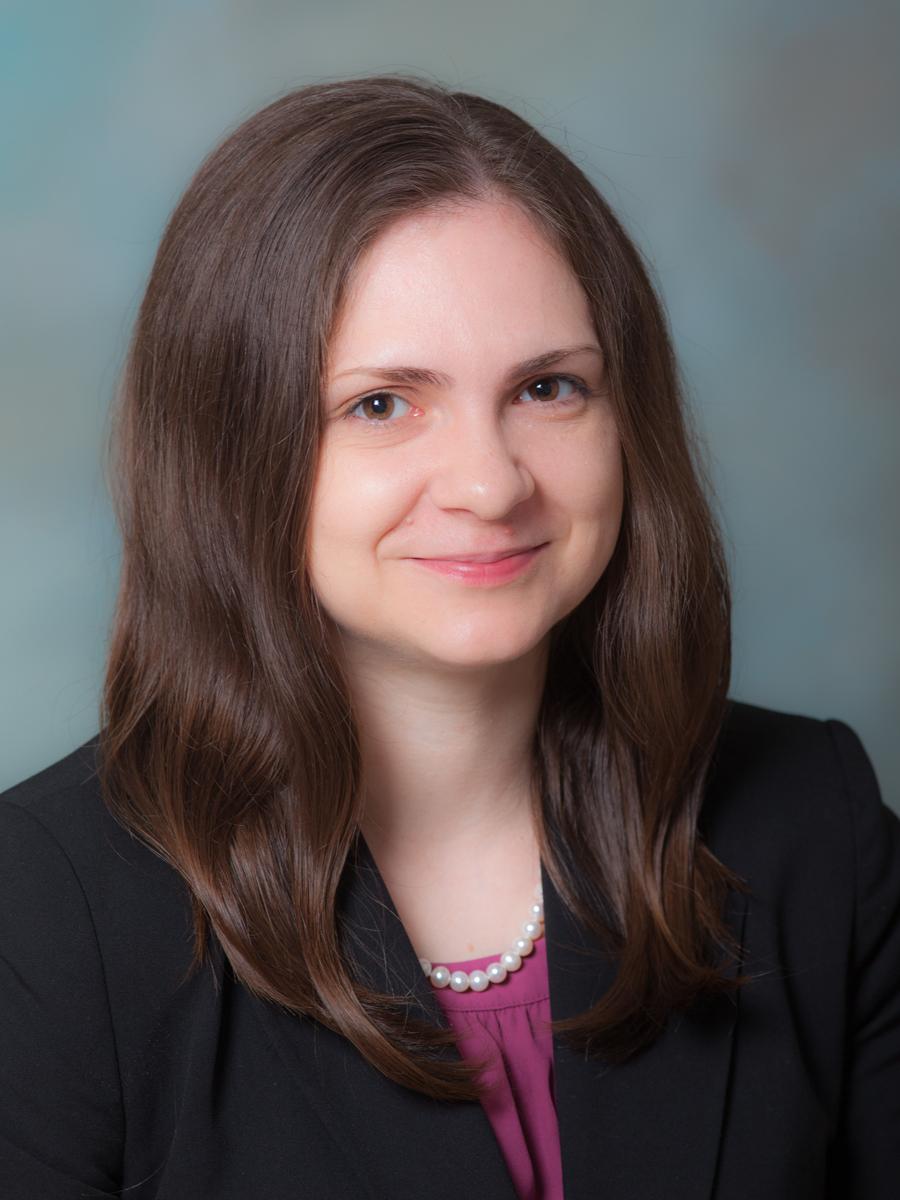
Interests
I research stress responses among children and adolescents and how various forms of early-life adversity shape later development and health.
Poverty and Inequality Research
In my Social Environment & Stress (SES) research lab, we research the ways in which childhood poverty and other forms of early-life adversity influence later development and health. We focus on protective factors that may buffer children and adolescents from chronic stressors like poverty and subsequent physical or mental health problems.
Recent Work
Our most recent publication is a book titled Stress in Childhood, published by Cambridge University Press as part of their Elements in Child Development series.
In this book, my graduate students, clinical psychologist Jamie Lawler, and I synthesized the available evidence about common stressors and signs of stress in children, as well as protective factors that can promote children’s resilience to stress. We took a broad approach and discussed both sources of stress and resilience within the family system, peer group, schools, neighborhoods, the broader culture, as well as clinical and therapeutic settings. We hope this helps parents, practitioners, and scientists understand and communicate major findings regarding stress in childhood.
Book Abstract:
The innocence of childhood does not protect against exposure to stress. More than half of US children are exposed to adverse experiences, such as abuse, neglect, witnessing domestic violence, parental psychopathology, or divorce, and all children encounter normative stressors like school transitions and challenges with peers. This Element discusses research on stress psychobiology during childhood, from birth to age ten. The Element focuses on important contexts that shape children’s responses to stress and their coping capacities, including the family system, peers, schools, neighborhoods, the broader culture, as well as clinical settings. Sources of stress and resilience in each context are described.
Current Projects
We are currently working on several projects focused on:
- Food insecurity among college students (finding that it is highly prevalent and disruptive to mental health), led by graduate student Geneva Jost;
- Factors leading to the development of adolescent loneliness (led by graduate students Rose McLaughlin and Rebekka Twine, as well as lab manager Bella Kang);
- Novel technologies to assess stress physiology using wearable devices and machine algorithms (led by graduate student Sally Hang);
- The role of mindfulness-based parent-child interventions in reducing familial and adolescent stress (led by graduate student Joanna Guan).
How Do You Unwind?
I enjoy nature walks with my family, especially around the UC Davis Arboretum or nearby parks and trails.
Read a policy brief by Camelia
Hostinar:
Developmental Impacts of COVID-19 Pandemic Greatest Among
Low-Income and Minority Youth
February 2026