The U.S. safety net has changed substantially in the past two
decades. The role of direct cash assistance has diminished, while
the Earned Income Tax Credit (EITC) has expanded. Traditional
forms of non-cash assistance, such as Food Stamps, WIC, and Head
Start comprise a larger share of the safety net than ever before.
Our Research Affiliates are finding that many non-cash programs
make a substantive difference in families’ well-being, even if
these programs do not increase families’ cash income. Research
Affiliates also actively pursue research agendas that embrace a
broader set of programs that assist low income groups, such as
education and health care programs. Many of these programs have
not traditionally been considered part of the safety net, but
play a crucial role affecting poor families’ well-being.
A large body of literature evaluates the extent to which the
Supplemental Program for Women Infants and Children (WIC) has
accomplished the goal of improving nutritional well-being and
health of low income families, but most studies have been based
on research designs that compare program participants to
non-participants. If selection into these programs is non-random,
then such comparisons will lead to biased estimates of the
program’s true effects. In this study, investigators use the
rollout of the WIC program across counties to estimate the impact
of the program on infant health.
School voucher programs have become increasingly widespread in
recent years. These programs aim to expand choice for families:
Proponents of voucher programs often argue that they will help
the most disadvantaged children, allowing them the opportunity to
exit unsafe and underperforming schools. While a healthy body of
research has examined the individual characteristics of voucher
users, there has been far less detailed work on the contextual
characteristics of students’ public and private school options
that predict whether students use vouchers. Research Affiliate
Cassandra Heart provides a deep descriptive look at the
characteristics of students’ own public schools, and the
characteristics of both public and private school markets, that
predict student participation in the means-tested Florida Tax
Credit Scholarship Program.
Head Start is a federally funded early childhood educational
intervention program designed to reduce disparities in preschool
outcomes. While a recent impact study may indicate that Head
Start is ineffective, our Research Affiliates are investigating
further to assess whether the program’s long-term effects improve
the life chances of participants.
In 1996, the United States reformed its welfare system, linking
benefits more directly to labor force participation. When
combined with the expansion of the Earned Income Tax Credit,
which subsidizes low wage workers through the tax code, work has
become a cornerstone of American anti-poverty policy. At the same
time, rising income inequality and stagnant real wages among
less-skilled workers mean that working one’s way out of poverty
is more challenging than ever before. With these trends as a
backdrop, a number of new questions are emerging. For example,
how can government programs best address poverty if full-time
work itself does not provide sufficient income to move many
families out of poverty? Given the evolving consensus that poor
mothers should be expected to work, how will women’s employment,
family structure and poverty evolve in the 21st Century? Our
Research Affiliates are tackling these questions, as well
analyzing trends in immigration and related demographic changes
that have important implications for labor market opportunities
available to the poor.
A central question in public finance, one that has generated
decades of research, is how tax and transfer programs affect
labor supply. Treating food stamp benefits as an income transfer,
Research Affiliate Hilary Hoynes uses a quasi-experimental
approach to estimate the impact of the program on labor supply.
Does the Great Recession impact certain segments of the
population more dramatically? Researchers find that the effects
are not uniform across demographic groups, and have been felt
most strongly for men, black and Hispanic workers, youth, and low
education workers.
Is there a positive health impact to families receiving the
Earned Income Tax Credit, a central piece in the U.S. safety net
for families with children? Researchers conclude that the
sizeable increase in income for eligible families significantly
improved birth outcomes for both whites and African Americans,
with larger impacts for births to African American mothers.
Much of the variation in adult income in the United States is
related to family background during childhood. One-third to
one-half of children who are poor for a substantial part of their
childhood will be poor as adults. Welfare participation is also
substantially correlated across generations. Widening income
inequality in the U.S. has been accompanied by a widening
achievement gap between children living in high- vs. low-income
families. Across the social sciences, our Research
Affiliates are engaging in projects aimed at better understanding
and isolating the causal relationships between parents’
socioeconomic status and their children’s eventual ability to
escape poverty. Research Affiliates are also investigating how
the stressors that many poor children face affect their emotional
development and behaviors.
Children of immigrants currently make up one in four of all
children in the United States, and this proportion is expected to
increase to one-third by 2050. On average, children of immigrants
are more likely than children of natives to live in poverty,
experience food insecurity, and live in crowded housing.
Additionally, they are less likely than children of natives to
receive public assistance or to have health insurance. In this
project, investigators provide a comprehensive picture of the
health of children of immigrants in comparison to children of
natives using recent, nationally representative data.
While parents are judged constantly, by fellow parents and by
wider society, the consequences of judging parents may extend
beyond community reputation and social status: one of the
harshest potential consequences of parental judgement is the
state’s termination of parental rights. In these cases,
impoverished parents who live in rural places suffer harsher
judgements as they do not have ready access to state supported
parenting programs. This project calls attention to the plight of
poor rural families in gaining access to state funded programs
that would improve their parenting outcomes.
Is there a positive health impact to families receiving the
Earned Income Tax Credit, a central piece in the U.S. safety net
for families with children? Researchers conclude that the
sizeable increase in income for eligible families significantly
improved birth outcomes for both whites and African Americans,
with larger impacts for births to African American mothers.
The Center’s focus on immigration and poverty is motivated by the
important role immigrants play in the U.S. economy, and by the
Center’s location in the Central Valley of California. Each of
our other research areas: Labor Markets and Poverty, the
Intergenerational Transmission of Poverty, and the Non-cash
Safety Net hold questions that are unique to the immigrant
experience. For example, what is the connection between low
skilled workers’ wages, inequality and immigration? How do access
and take-up of safety-net programs among immigrant populations
differ from native populations? How does the process of immigrant
assimilation affect intergenerational mobility? Our Research
Affiliates across a wide range of disciplines are employing both
quantitative and qualitative research strategies to shed light on
these important questions.
This project, funded through the Center for Poverty Research
Graduate Student Fellowship Program, examines whether differences
in state implementation of the Children’s Health Insurance
Program (CHIP) affects disparities in health care between
children of immigrants and children of natives.
American agriculture employs some 2.5 million workers during a
typical year, most for fewer than six months. Three fourths of
these farm workers are immigrants, half are unauthorized, and
most will leave seasonal farm work within a decade. What do these
statistics mean for farmers, for laborers, for rural America?
Reductions in eligibility requirements have significantly
impacted access to safety net programs for immigrants. Research
Affiliates investigate these policy changes to assess how
reductions have affected the success of immigrants in escaping
poverty.
Research projects funded by the Center reflect the depth and
breadth of our Research Affiliates, our Small Grant Award
winners, and our graduate students’ expertise in our priority
research areas. Our projects include a combination of
quantitative and qualitative methods across a number of
disciplines in the social sciences and beyond. Though organized
around the priority areas, there are substantial connections
across these areas, and many projects address more than one of
our research themes.
We are pleased to announce the winners for our 2012-2013 Small Grants for Poverty Research. All recipients will receive grants to support their research projects related to the core themes of the Center and will present at our 2014 Small Grants Conference. Congratulations!

The Non-traditional Safety Net: Health & Education
The Non-traditional Safety Net
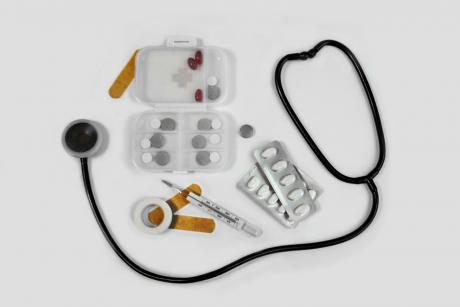
The U.S. safety net has changed substantially in the past two decades. The role of direct cash assistance has diminished, while the Earned Income Tax Credit (EITC) has expanded. Traditional forms of non-cash assistance, such as Food Stamps, WIC, and Head Start comprise a larger share of the safety net than ever before. Our Research Affiliates are finding that many non-cash programs make a substantive difference in families’ well-being, even if these programs do not increase families’ cash income. Research Affiliates also actively pursue research agendas that embrace a broader set of programs that assist low income groups, such as education and health care programs. Many of these programs have not traditionally been considered part of the safety net, but play a crucial role affecting poor families’ well-being.
Is a WIC Start a Better Start? Evaluating WIC’s Impact on Infant Health Using Program Introduction
Hilary Hoynes, Marianne Page, and Ann Huff Stevens (Affiliates in Economics)
A large body of literature evaluates the extent to which the Supplemental Program for Women Infants and Children (WIC) has accomplished the goal of improving nutritional well-being and health of low income families, but most studies have been based on research designs that compare program participants to non-participants. If selection into these programs is non-random, then such comparisons will lead to biased estimates of the program’s true effects. In this study, investigators use the rollout of the WIC program across counties to estimate the impact of the program on infant health.
Selection in Means-tested School Voucher Programs
Cassandra M.D. Hart (Affiliate in Education)
School voucher programs have become increasingly widespread in recent years. These programs aim to expand choice for families: Proponents of voucher programs often argue that they will help the most disadvantaged children, allowing them the opportunity to exit unsafe and underperforming schools. While a healthy body of research has examined the individual characteristics of voucher users, there has been far less detailed work on the contextual characteristics of students’ public and private school options that predict whether students use vouchers. Research Affiliate Cassandra Heart provides a deep descriptive look at the characteristics of students’ own public schools, and the characteristics of both public and private school markets, that predict student participation in the means-tested Florida Tax Credit Scholarship Program.
Does Head Start Do Any Lasting Good?
Chloe Gibbs, Jens Ludwig and Douglas L. Miller (Affiliate in Economics)
Head Start is a federally funded early childhood educational intervention program designed to reduce disparities in preschool outcomes. While a recent impact study may indicate that Head Start is ineffective, our Research Affiliates are investigating further to assess whether the program’s long-term effects improve the life chances of participants.
Labor Markets & Poverty
Labor Markets and Poverty
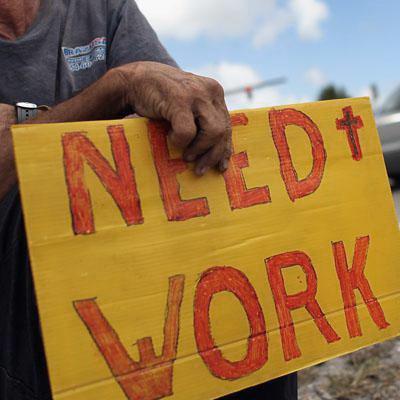
In 1996, the United States reformed its welfare system, linking benefits more directly to labor force participation. When combined with the expansion of the Earned Income Tax Credit, which subsidizes low wage workers through the tax code, work has become a cornerstone of American anti-poverty policy. At the same time, rising income inequality and stagnant real wages among less-skilled workers mean that working one’s way out of poverty is more challenging than ever before. With these trends as a backdrop, a number of new questions are emerging. For example, how can government programs best address poverty if full-time work itself does not provide sufficient income to move many families out of poverty? Given the evolving consensus that poor mothers should be expected to work, how will women’s employment, family structure and poverty evolve in the 21st Century? Our Research Affiliates are tackling these questions, as well analyzing trends in immigration and related demographic changes that have important implications for labor market opportunities available to the poor.
Work Incentives and the Food Stamp Program
Hilary Hoynes (Affiliate in Economics) and Diane Schanzenbach
A central question in public finance, one that has generated decades of research, is how tax and transfer programs affect labor supply. Treating food stamp benefits as an income transfer, Research Affiliate Hilary Hoynes uses a quasi-experimental approach to estimate the impact of the program on labor supply.
Who Suffers During Recessions?
Hilary Hoynes (Affiliate in Economics), Douglas L. Miller (Affiliate in Economics) and Jessamyn Schaller (former graduate student in Economics, currently an Assistant Professor of Economics at University of Arizona)
Does the Great Recession impact certain segments of the population more dramatically? Researchers find that the effects are not uniform across demographic groups, and have been felt most strongly for men, black and Hispanic workers, youth, and low education workers.
Income, the Earned Income Tax Credit, and Infant Health
Hilary W. Hoynes (Affiliate in Economics), Douglas L. Miller (Affiliate in Economics), and David Simon (Graduate Student in Economics)
Is there a positive health impact to families receiving the Earned Income Tax Credit, a central piece in the U.S. safety net for families with children? Researchers conclude that the sizeable increase in income for eligible families significantly improved birth outcomes for both whites and African Americans, with larger impacts for births to African American mothers.
Children & Intergenerational Transmission of Poverty
Intergenerational Mobility and Children’s Chance of Escaping Poverty
Much of the variation in adult income in the United States is related to family background during childhood. One-third to one-half of children who are poor for a substantial part of their childhood will be poor as adults. Welfare participation is also substantially correlated across generations. Widening income inequality in the U.S. has been accompanied by a widening achievement gap between children living in high- vs. low-income families. Across the social sciences, our Research Affiliates are engaging in projects aimed at better understanding and isolating the causal relationships between parents’ socioeconomic status and their children’s eventual ability to escape poverty. Research Affiliates are also investigating how the stressors that many poor children face affect their emotional development and behaviors.
Assimilation and Emerging Health Disparities Among New Generations of U.S. Children
Erin R. Hamilton (Affiliate in Sociology), Jodi Berger Cardoso, Robert A. Hummer and Yolanda C. Padilla
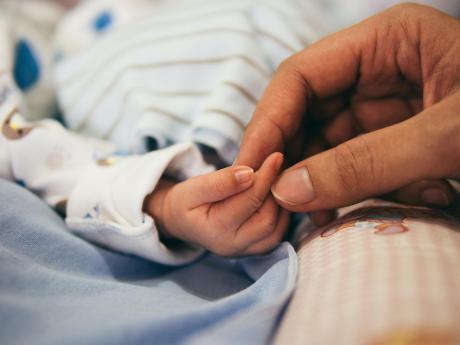
Children of immigrants currently make up one in four of all children in the United States, and this proportion is expected to increase to one-third by 2050. On average, children of immigrants are more likely than children of natives to live in poverty, experience food insecurity, and live in crowded housing. Additionally, they are less likely than children of natives to receive public assistance or to have health insurance. In this project, investigators provide a comprehensive picture of the health of children of immigrants in comparison to children of natives using recent, nationally representative data.
Judging Parents, Judging Place: Poverty, Rurality and Termination of Parental Rights
Lisa R. Pruitt (Affiliate in Law) and Janet L. Wallace
While parents are judged constantly, by fellow parents and by wider society, the consequences of judging parents may extend beyond community reputation and social status: one of the harshest potential consequences of parental judgement is the state’s termination of parental rights. In these cases, impoverished parents who live in rural places suffer harsher judgements as they do not have ready access to state supported parenting programs. This project calls attention to the plight of poor rural families in gaining access to state funded programs that would improve their parenting outcomes.
Income, the Earned Income Tax Credit, and Infant Health
Hilary W. Hoynes (Affiliate in Economics), Douglas L. Miller (Affiliate in Economics), and David Simon (Graduate Student in Economics)
Is there a positive health impact to families receiving the Earned Income Tax Credit, a central piece in the U.S. safety net for families with children? Researchers conclude that the sizeable increase in income for eligible families significantly improved birth outcomes for both whites and African Americans, with larger impacts for births to African American mothers.
Immigration & Poverty
Immigration and Poverty
The Center’s focus on immigration and poverty is motivated by the important role immigrants play in the U.S. economy, and by the Center’s location in the Central Valley of California. Each of our other research areas: Labor Markets and Poverty, the Intergenerational Transmission of Poverty, and the Non-cash Safety Net hold questions that are unique to the immigrant experience. For example, what is the connection between low skilled workers’ wages, inequality and immigration? How do access and take-up of safety-net programs among immigrant populations differ from native populations? How does the process of immigrant assimilation affect intergenerational mobility? Our Research Affiliates across a wide range of disciplines are employing both quantitative and qualitative research strategies to shed light on these important questions.
State Child Health Insurance Program Policies & Immigrant-Native Disparities in Children’s Health Care
Erin Hamilton (Affiliate in Sociology) with graduate researcher Ethan Evans (Sociology)
This project, funded through the Center for Poverty Research Graduate Student Fellowship Program, examines whether differences in state implementation of the Children’s Health Insurance Program (CHIP) affects disparities in health care between children of immigrants and children of natives.
Importing Poverty? Immigration and Changing the Face of Rural America
Philip Martin (Affiliate in Agricultural and Resource Economics)
American agriculture employs some 2.5 million workers during a typical year, most for fewer than six months. Three fourths of these farm workers are immigrants, half are unauthorized, and most will leave seasonal farm work within a decade. What do these statistics mean for farmers, for laborers, for rural America?
Immigrants, Welfare Reform, and the U.S. Safety Net
Marianne Bitler and Hilary W. Hoynes (Affiliate in Economics)
Reductions in eligibility requirements have significantly impacted access to safety net programs for immigrants. Research Affiliates investigate these policy changes to assess how reductions have affected the success of immigrants in escaping poverty.
Research in Progress
Research in Progress: Funded Projects
Research projects funded by the Center reflect the depth and breadth of our Research Affiliates, our Small Grant Award winners, and our graduate students’ expertise in our priority research areas. Our projects include a combination of quantitative and qualitative methods across a number of disciplines in the social sciences and beyond. Though organized around the priority areas, there are substantial connections across these areas, and many projects address more than one of our research themes.
2012-13 Small Grants for Poverty Research Awarded
We are pleased to announce the winners for our 2012-2013 Small Grants for Poverty Research. All recipients will receive grants to support their research projects related to the core themes of the Center and will present at our 2014 Small Grants Conference. Congratulations!
Immigration, Trust and Local Public Goods
Giovanni Peri (Affiliate in Economics) with graduate researchers Massimo Anelli and Kevin Shih (Economics)
Immigrant Worker Attitudes toward Workplace Organizing and Unionization
Leticia Saucedo (Affiliate in Law) with graduate researcher Jihan Kahssay (Law)